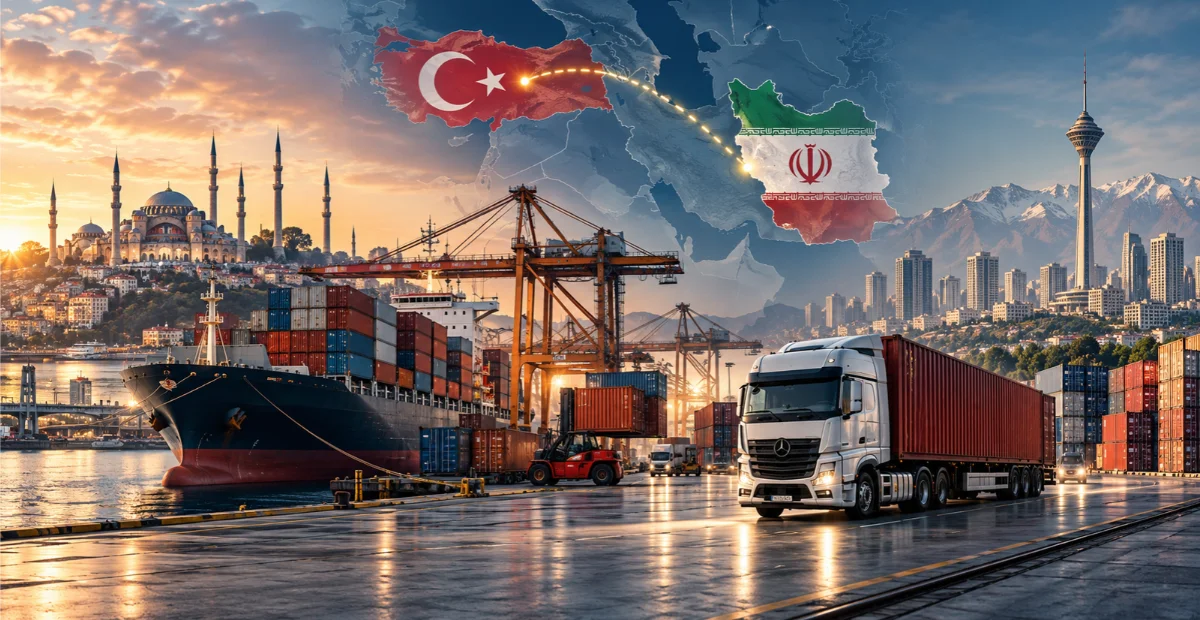

The best sourcing country for imports into Iran depends on the purchase. One business needs a small order and dependable replenishment; another needs custom production at scale; a third must obtain an exact model. Choose the origin after defining the requirement, rather than relying on a country’s reputation for price or quality.
This guide considers Türkiye, China, the UAE and India as candidates, then explains when to expand the search. It is a decision framework, not a live price ranking, an assurance of import eligibility or a claim that Simorgh Sorkh operates in every country discussed.
Define the product and purchasing model first
Answer four questions before collecting country names: What exactly is the product specification? What are the first order and annual quantities? How much delay can the business tolerate? What budget is available until the goods arrive and become usable? These answers determine whether the search should target verified stock, standard production or custom manufacturing.
ITC Trade Map can support the initial search with trade data by product and country. Export statistics are not current supplier quotations or seller endorsements. Record the data year, product code and whether figures are directly reported or mirror data before drawing conclusions.
Comparing Türkiye, China, the UAE and India
The table identifies questions worth investigating in each route. Award the final score to a real supplier and offer, not to the country’s name.
| Candidate | Scenario to investigate | Decisive evidence |
|---|---|---|
| Türkiye | Recurring purchases or closely coordinated production | Actual capacity, minimum order and delivery schedule |
| China | Comparing manufacturers for standard or custom production | Sample control, tooling ownership and complete order cost |
| UAE | Verified stock purchases or consolidation of several items | Authenticity, origin and seller authority |
| India | Evaluating an alternative manufacturer for a defined product | Technical fit, capacity and exporter documentation |
Türkiye: translate proximity into measurable benefits
If sample coordination, repeat purchasing or site visits matter, include Turkish suppliers in the shortlist. Obtain an actual quotation and schedule from the relevant factory. A shorter route on a map does not compensate for a long production queue or uncertain stock.
For a monthly purchase, ask what capacity can be reserved and how late an order can be adjusted. Compare repeated shipment costs against one larger purchase. Our Turkey to Iran sourcing guide explains the execution steps.
China: include development and quality control in the comparison
When evaluating a Chinese manufacturer, establish whether the quotation covers a standard model or custom work. A low price may exclude tooling, sample revisions, packaging or testing. For dedicated tooling, define ownership, storage, access and maintenance responsibilities in the agreement.
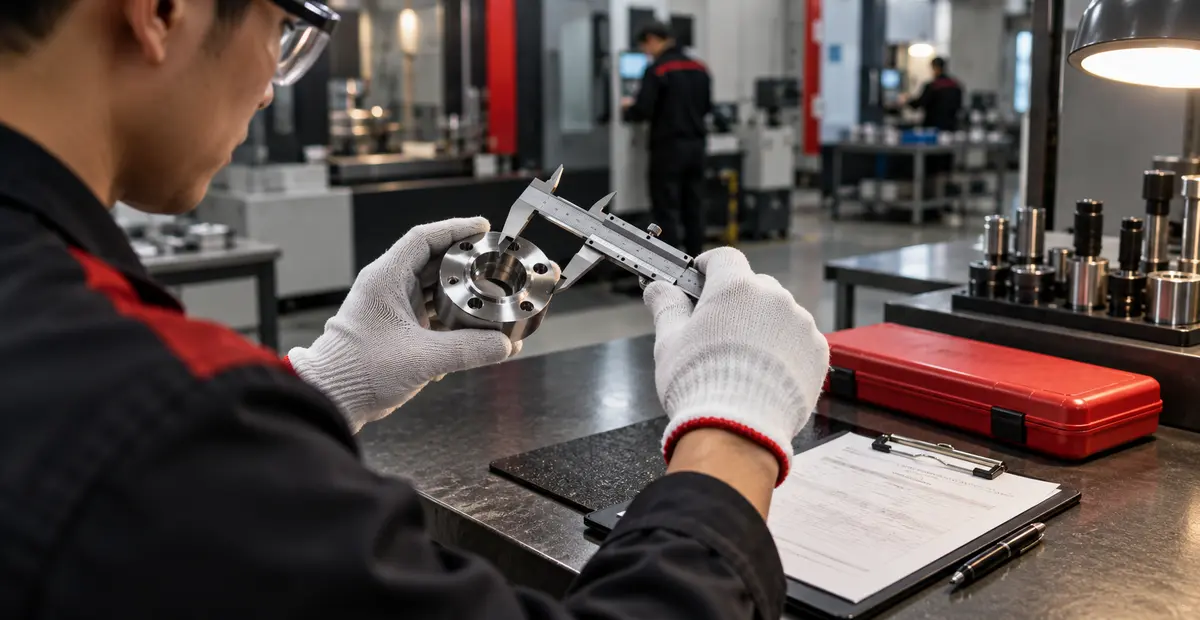
Ask every manufacturer to list specification deviations explicitly. A material or tolerance change can make an offer look cheaper while producing a different product. Agree the inspection plan before final production, when corrective action is still practical.
UAE: separate ready stock from product origin
If a UAE seller offers stock for immediate supply, request evidence of quantity, warehouse location, model, condition and access for inspection. A website listing does not necessarily represent stock controlled by that seller. For branded goods, also check the supplier’s relationship with the manufacturer and warranty applicability at destination.
The WCO’s origin guidance distinguishes a product’s origin from the last country through which it passed. Purchasing or shipping through the UAE does not, by itself, make the goods UAE origin. The documents should reflect the actual transaction chain.
India: apply the same technical criteria to an alternative
If you identify an Indian supplier for the required product, compare the offer against the same drawings, materials and acceptance criteria. An alternative country should not mean relaxed quality requirements. Document material availability, spare production capacity, sampling plans and replenishment timing.
The official DGFT portal and View IEC Related Details service provide one route for checking exporter related information. An exporter identifier alone does not establish production capability or shipment quality.
When should other countries enter the shortlist?
Expand the search when a required design, brand or technology leads to a manufacturer in Germany, Italy or another country. Check lawful availability to the destination, support and spare parts, and the complete cost before investing in negotiations. A country name is neither a quality guarantee nor proof that supply is possible.
Build an evidence based scoring model
Our suggested approach begins with mandatory conditions: minimum technical compliance, transaction legality, transparent identity and feasible payment and carriage. A candidate that fails these conditions should not win through a high price score. Mark significant unresolved matters as requiring investigation.
After that initial filter, the following proposed weights can structure the comparison. They are not market statistics and should be adjusted to the project:
- Technical fit and sample results: 30%.
- Total cost to destination: 25%.
- Delivery reliability and replenishment: 20%.
- Minimum quantity and cash commitment: 15%.
- Documentation and responsiveness: 10%.
Score each criterion from one to five and multiply by its weight. Attach evidence to every score: a valid quotation, sample report or production schedule. An unsupported number is still a guess.
Example: when can the smaller order be more valuable?
Educational scenario: both offers are technically accepted and monthly demand is 200 units. Candidate A requires at least 1,000 units at an assessed total unit cost of EUR 10. Candidate B requires 200 units at EUR 12 each. The initial commitment is EUR 10,000 with A and EUR 2,400 with B. If demand is uncertain, B may be more suitable for testing the market despite its higher unit cost.
This conclusion is conditional. If demand is stable and repeated freight is expensive, A may be preferable. Verify that the cost basis, payment assumptions and saleability are comparable. Then assess a second scenario with delayed delivery or higher transport costs.
Add a second source, but check whether it is independent
Two sellers in different countries may depend on the same factory or raw material source. Ask each about the manufacturing origin and subcontracted stages. For a critical purchase, test the alternative source before an urgent shortage and account for tooling transfer, packaging changes or renewed approvals.
Before ordering, use our supplier verification checklist and align the delivery plan with the party managing logistics and customs. Country selection is only part of the decision: supplier, product and route must work together.
Frequently asked questions
Is China always cheaper than Türkiye?
No. A useful comparison requires equivalent specifications, quantities and costs to the destination. Sampling expense and unwanted inventory can change the result.
Does buying through an intermediary country remove restrictions?
No. The seller’s location does not by itself determine transaction eligibility. The goods, origin, parties, end use and applicable rules require their own review.
How many countries should a buyer investigate initially?
Start with a manageable shortlist that can be supported by evidence, such as two or three relevant candidates. Expand it if none meets the mandatory conditions.
Start with a specific sourcing brief
Replace “Where can I buy cheapest?” with a clear product specification, volume, budget and delivery requirement. Simorgh Sorkh’s international sourcing service focuses on identifying and comparing potential sources. Send your project request to discuss an appropriate country research scope.